Facebook
  • 4MP 30X Explosion Proof Anti‑Corrosion Crane Damping Bullet IP Camera
  • 4MP 30X Explosion Proof Anti‑Corrosion Crane Damping Bullet IP Camera

4MP 30X Explosion Proof Anti‑Corrosion Crane Damping Bullet IP Camera

No.MC800(CR)
Specialised explosion‑proof damping bullet IP camera designed for crane & heavy‑machinery dynamic vibration‑prone hazardous‑area applications. Equipped with built‑in spring shock‑absorbing bracket assembly, 4MP 30× long‑range optical zoom and ultra‑low‑light sensor. Anti‑corrosion rugged housing, manually adjustable & lockable viewing angle. Optimised for hazardous‑area overhead cranes, gantry cranes and heavy‑duty lifting equipment in land‑based petrochemical, chemical and terminal sites.
  • 4MP 30X Explosion Proof Anti‑Corrosion Crane Damping Bullet IP Camera

Description

MC800(CR) 4MP 30X Explosion Proof Anti‑Corrosion Crane Damping Bullet IP Camera

Specialised explosion‑proof damping bullet IP camera designed for crane & heavy‑machinery dynamic vibration‑prone hazardous‑area applications. Equipped with built‑in spring shock‑absorbing bracket assembly, 4MP 30× long‑range optical zoom and ultra‑low‑light sensor. Anti‑corrosion rugged housing, manually adjustable & lockable viewing angle. Optimised for hazardous‑area overhead cranes, gantry cranes and heavy‑duty lifting equipment in land‑based petrochemical, chemical and terminal sites.

🎯 Customer Pain Points

Land‑based hazardous‑site crane and heavy‑lifting projects face unique surveillance challenges:

  1. Vibration‑caused image instability: Conventional explosion‑proof cameras mounted on crane booms suffer severe continuous vibration and mechanical shock during lifting operations. Shaky video feed blurs monitoring footage, making it impossible to observe hook, load and surrounding equipment status clearly.
  2. Mechanical damage risk under vibration: Rigid‑mount ordinary explosion‑proof cameras bear repeated impact from crane movement, which may loosen internal components, damage lens and shorten camera service life.
  3. Hazardous‑area compliance pressure: Crane equipment located within Zone 1/2 gas hazardous zones requires valid explosion‑proof certification. Non‑certified cameras cannot pass safety regulatory inspection and project acceptance.
  4. Harsh corrosive operating environment: Petrochemical plants, chemical terminals and bulk‑cargo yards feature salt mist, chemical vapour and heavy dust. Ordinary camera housings corrode easily, affecting equipment reliability.
  5. Observation flexibility limitation: Fixed non‑adjustable camera angle cannot adapt to varying lifting heights and hook positions. On‑site staff need flexible angle setting and locking function for crane‑boom‑mount installation.
  6. Long‑range & low‑light monitoring requirements: Lifting operations take place over large working distances, day‑night; cameras need high‑magnification zoom and excellent low‑light performance to identify hook, cargo and on‑site personnel.
  7. Uncertain project lead‑time: Custom crane‑specific explosion‑proof damping cameras belong to special industrial equipment. Ambiguous production cycle may delay crane commissioning progress.

MC800(CR) solves above‑mentioned pain points. Adopting professional spring damping buffer structure for crane‑boom installation, 4MP 30× optical zoom, ultra‑low‑light imaging and anti‑corrosion explosion‑proof housing. Manual angle adjustment with locking mechanism delivers stable sharp video under continuous vibration, for real‑time visual monitoring of lifting hooks, cargo and surrounding hazardous‑zone conditions.

🏭 Typical Application Scenarios

✅ Petrochemical & Chemical Plant Hazardous‑Area Cranes: Overhead cranes, gantry cranes and travelling lifting machinery operating inside Zone 1 & Zone 2 gas hazardous zones. Real‑time observation of hook position, cargo handling and peripheral site safety. ✅ Hazardous‑Chemical Terminals & Storage Yards: Dock‑land gantry cranes and container lifting equipment; anti‑corrosion performance adapts to salt‑mist and chemical‑vapour environment for cargo‑loading‑operation visual monitoring. ✅ Coal‑Chemical Heavy‑Duty Lifting Equipment: Process‑area cranes in coal‑chemical hazardous zones, monitor lifting operations and prevent personnel safety incidents. ✅ Refinery Tank‑farm Lifting Machinery: Maintenance‑use mobile cranes and fixed gantry lifting devices within refinery hazardous zones, for safe lifting‑process supervision.

Designed for direct installation on crane boom / lifting frame. Manually adjustable and lockable shooting angle. Optional accessories: anti‑corrosion junction box, corrugated protection pipe for integrated on‑crane wiring deployment.

✨ Core Product Highlights

  • Crane‑Specific Spring Damping & Buffer System: Custom‑built shock‑absorbing spring bracket absorbs continuous vibration and mechanical impact generated during crane lifting movements. Effectively suppress video shaking, protect internal optical and electronic components and extend service life. Shooting angle can be manually adjusted and firmly locked after setting to maintain fixed monitoring perspective.
  • Superior 4MP Long‑Range Imaging Performance: High‑performance image sensor, ultra‑low‑light sensitivity: Color:0.0001 Lux; B/W:0.00005 Lux. 30× optical zoom for long‑distance observation of lifting hooks, cargo details and site conditions. Supports auto‑focus, backlight compensation, multiple exposure modes and ROI region‑of‑interest encoding for rich image optimisation.
  • Explosion‑proof & Anti‑Corrosion Rugged Housing: Specially‑treated anti‑corrosion housing, suitable for corrosive atmosphere of petrochemical and terminal sites. Qualified for hazardous‑area deployment for crane lifting equipment.
  • Rich Video & Network Capabilities: Multiple main‑stream video encoding formats, multi‑stream output, IPv4 / IPv6 network support. Compatible with mainstream industrial video management systems for real‑time preview, recording and alarm linkage of crane‑mounted video.
  • Optimised On‑Crane Deployment: Integrated cable design simplifies field wiring. Matched anti‑corrosion accessories realise reliable wiring protection for high‑vibration crane working conditions.

📋 Key Specification

Item Parameter
Image Sensor 4MP Progressive‑Scan CMOS
Minimum Illumination Color:0.0001 Lux (F1.6,AGC ON); B/W:0.00005 Lux (F1.6,AGC ON)
Optical Zoom 30× optical zoom
Focus Mode Auto‑focus / Primary Focus / Manual Focus / Semi‑Auto Focus
Image Function BLC, multi‑mode exposure control, ROI region‑of‑interest encoding
Video Frame Rate 50Hz:25fps; 60Hz:30fps (max resolution 2688×1520)
Network Support IPv4, IPv6 protocol
Mechanical Feature Built‑in spring shock‑absorbing damping bracket; manually adjustable & lockable shooting angle
Installation Scenario Direct mounting on crane boom / lifting frame
Cable Integrated cable
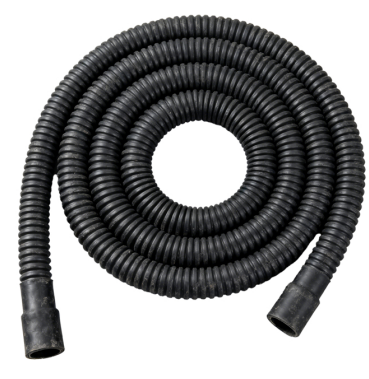
Optional Accessories KDCP‑1500 Corrugated Pipe, KDJ004 Anti‑Corrosion Junction Box
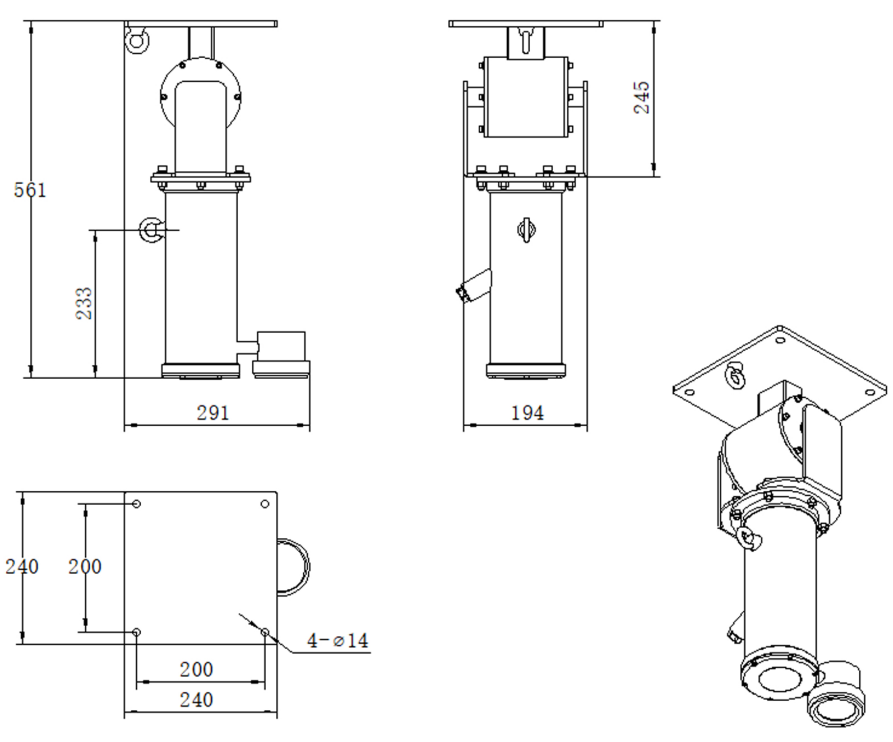
Dimension 240*194*561mm

Dimensions

📦 Lead‑Time & Warranty Terms

  • Standard Model: 3‑4‑week production lead‑time upon receipt of deposit.
  • Custom‑modified Version: 5‑6‑week lead‑time for special requirements such as custom damping parameters, interface modification or special anti‑corrosion surface treatment.

Deliverables: Product datasheet, mechanical dimension drawings, explosion‑proof certificate copies and operation manuals for crane project safety review submission.

Warranty Terms: 12‑month standard warranty for the complete unit. Extended warranty service is available upon separate commercial quotation. Faulty devices support factory‑return repair or replacement; remote technical commissioning guidance is provided. Complete technical‑document support for overseas land‑based crane projects.

Packaging & Logistics: Export‑grade wooden‑crate packaging. Supports EXW, FOB and other trade terms; optional accessories can be consolidated for one‑batch shipment.

Reminder: MC800(CR) crane‑specific explosion‑proof damping camera is special custom‑oriented industrial equipment. Off‑the‑shelf stock cannot be guaranteed. Please place orders well ahead of crane equipment delivery milestones.

📝 Reference Success Stories

Case 1 | Petrochemical Plant Zone 1 Hazardous‑Area Gantry Crane Monitoring Project ‑Project Challenges: Gantry crane operating within Zone 1 gas hazardous zone. Severe vibration occurs during lifting movement; ordinary explosion‑proof cameras produce heavy image shake and risk component damage. Need real‑time visual monitoring for hook and cargo handling, and equipment must pass site safety compliance audit. ‑Solution: Multiple MC800(CR) crane damping explosion‑proof cameras installed on crane booms. Spring damping bracket absorbs operating vibration; shooting angles manually adjusted and locked. Equipped with anti‑corrosion junction box and corrugated pipe for field wiring protection, connected to plant central VMS system. ‑Outcome: Stable clear video output even under crane continuous vibration. Operators remotely observe hook and cargo status, reduce on‑site personnel exposure in hazardous zones. Successfully passed hazardous‑area safety acceptance.

Case 2 | Hazardous‑Chemical Terminal Land‑Side Lifting‑Crane Surveillance Project ‑Project Challenges: Land‑side gantry cranes at chemical terminal. Working environment with salt‑mist and chemical vapour corrosion. Require long‑range zoom monitoring for container‑cargo lifting operations. ‑Solution: Deploy MC800(CR) anti‑corrosion crane damping cameras, configure appropriate zoom parameters for lifting‑distance observation. ‑Outcome: Reliable operation under corrosive terminal environment. Real‑time visual feedback assists crane operators for safer cargo‑handling operations, project fully delivered and accepted.

❓ FAQ

Q1: What kind of equipment is this camera designed for? Can it work in gas hazardous zones?

A: MC800(CR) is purpose‑built for crane boom / lifting‑frame mounting. It is designed for hazardous‑area lifting machinery. Please provide project hazardous‑zone classification for certificate matching review.

Q2: How does the damping system work? Can vibration completely be eliminated?

A: Built‑in spring buffer‑damping bracket absorbs most mechanical shock and vibration generated by crane movement to suppress video shake, greatly improving imaging stability. It reduces vibration damage to camera internal components. Complete vibration elimination cannot be achieved for extreme violent impact.

Q3: Can I adjust and fix camera viewing angle after installation?

A: Yes. The camera supports manual viewing‑angle adjustment. After angle setting, mechanical locking can be performed to keep the monitoring perspective unchanged during crane operations.

Q4: What are the wiring solutions for crane‑mount installation?

A: The camera adopts integrated‑cable design. Optional KDCP‑1500 corrugated protective pipe and KDJ004 anti‑corrosion junction box are recommended for cable protection for crane high‑vibration working conditions.

Q5: Can it connect with third‑party NVR / VMS systems for industrial crane projects?

A: Supports mainstream standard network protocols, can access most mainstream industrial video platforms for preview, recording and event linkage. Please confirm protocol compatibility for special custom platforms before ordering.

Q6: What is after‑sales support for crane‑mount camera faults and overseas projects?

A: Standard 12‑month full‑unit warranty. Extended‑warranty quotation available on request. Faulty units support factory‑return repair / replacement. Remote technical guidance and complete technical‑document packages are provided.

Q7: Is OEM / ODM customisation supported?

A: Custom‑order service is available for damping‑parameter tuning, anti‑corrosion surface treatment, special interfaces etc. Please contact sales team for specification review, MOQ and lead‑time assessment.
📎 Optional Accessories List


KDCP‑1500 Corrugated Pipe
 
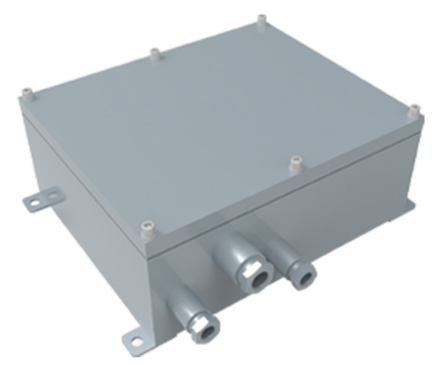
KDJ004 Anti‑Corrosion Junction Box


Crane-Boom Installation Challenges

  • Continuous vibration blurs the picture.
  • A moving boom sends constant low-frequency movement into anything bolted to it, and a frame that looks acceptable at wide angle falls apart once you zoom in on a hook, which is the whole argument for a crane damping camera.
  • Repeated shock wears the hardware.
  • A rigid mount passes every jolt into the housing, the lens assembly and the connectors, and on a crane mounted explosion proof camera the first symptom is usually a drifting focus or a dead port long before the enclosure itself shows damage.
  • The classification has to be matched, not assumed.
  • A lifting position inside Zone 1 or Zone 2 calls for a Zone 1 hazardous area camera, not the specification you would hang in a general yard, and the mount and cable entry have to satisfy the same safety review as the electronics.
  • Salt mist, chemical vapour and process dust attack the body.
  • Terminals and yards close to water or to chemical loading arms are hardest on the paint, seals and fasteners of an anti-corrosion camera housing.
  • Lift heights and hook positions change; the camera does not.
  • The view has to be adjustable at commissioning and then held, otherwise someone is re-aiming a camera sixty metres away at the start of every shift.
  • The working distance is long and the shift runs day and night.
  • Reading a hook, a sling or a person at the far end of the travel takes a 30x optical zoom camera and a sensor that still works after dark.

Product Overview

This is a fixed-direction bullet camera that mounts directly on a crane boom or lifting frame and keeps a steady watch on the hook, the load and the ground beneath it. The body sits on a built-in spring damping bracket instead of a rigid foot, because the one thing a working crane cannot give a camera is stillness. We are explosion proof camera manufacturers, and this model is built to order rather than pulled off a shelf. It is supplied as an ATEx certified camera, with your zone classification, mounting arrangement and viewing distance matched before the housing is assembled, so the unit arrives as a crane instrument rather than a site camera that has been adapted afterwards. It replaces two common workarounds: a rigid-mounted Zone 1 hazardous area camera that shakes itself blurry on the boom, and a pan-tilt unit bought for coverage the job does not actually need. Where the lift runs along a predictable path, one damped, locked-off view is the cleaner and the cheaper answer. In service, control-room operators and the crane driver use it to confirm hook engagement, load attitude and whether anyone has stepped into the drop zone. The angle is set during commissioning and locked, so the view does not drift between shifts or after a heavy lift. Within our explosion proof camera solutions this is the crane-damping variant. Choose it when the view is fixed and vibration is the enemy; move to a pan-tilt crane model when the operator genuinely has to follow the hook through a full circle.

Spring Damping & Housing Construction

The bracket is the part that separates this model from a standard boom-mounted unit. Most explosion proof camera solutions bolt the body straight to the steel and rely on the stiffness of the mount; here a spring shock-absorbing bracket sits between the boom and the camera body and absorbs the movement before it reaches the optics.

That changes what the operator sees. The damping action suppresses the shake that otherwise smears a magnified frame, so on a 30x optical zoom camera the load settles instead of turning into a wobbling blur.

It also changes how long the unit lasts. By taking the shock before it arrives, the bracket spares the lens assembly, the sensor board and the connectors the repeated impact they would take on a rigid foot. This is mitigation, not magic: a violent slam on the boom can still reach the camera, and we do not claim otherwise.

Aim it once, then lock it. The head adjusts by hand through its mounting arc and is then mechanically locked, so the view stays on the hook path after the first shift, after a heavy lift and after the boom has been parked overnight.

The housing is built for the air it lives in. A specially treated anti-corrosion camera housing, with a flanged cylindrical shell, bolted joints and an integrated cable entry, keeps the camera viable in the chemical vapour and salt mist that eat ordinary enclosures — which is what separates an explosion proof camera that survives a season from one that survives a decade.

Imaging, Video & Network Performance

  • Four focus modes — auto, primary, manual and semi-auto — let the installer pin focus on the working plane and stop the lens hunting every time the structure moves. Network support covers IPv4 and IPv6, with multiple mainstream encoding formats and multi-stream output, so the control room, the recording server and a remote viewer can each pull the stream they need. It is designed to slot into plant-wide explosion proof cctv camera system solutions rather than stand alone, with preview, recording and event linkage running through the site's existing video management platform alongside the fixed and pan-tilt units already installed.
  • An integrated cable design simplifies field wiring on this crane mounted explosion proof camera.
  • Matched anti-corrosion accessories provide reliable wiring protection for high-vibration crane working conditions.

Mounting, Wiring & Dimensions

  1. The dimensioned drawing supplied with the datasheet gives the full set of figures to fabricate from.
  2. Bolt the spring shock-absorbing bracket directly to the crane boom or lifting frame.
  3. There is no adapter frame to design, because the bracket is itself the interface between the steel and the crane damping camera.
  4. Set the viewing angle by hand with the hook in a representative position, then lock the head mechanically before any lift is run.
  5. Run the integrated cable along the boom with enough slack for the movement the structure actually makes, and keep it clear of walkways, sheaves and hot surfaces.
  6. Re-check the angle lock and the cable entry into the anti-corrosion camera housing after the first working shifts.
  7. A boom settles into its own movement pattern, and five minutes at that point saves a return visit later.
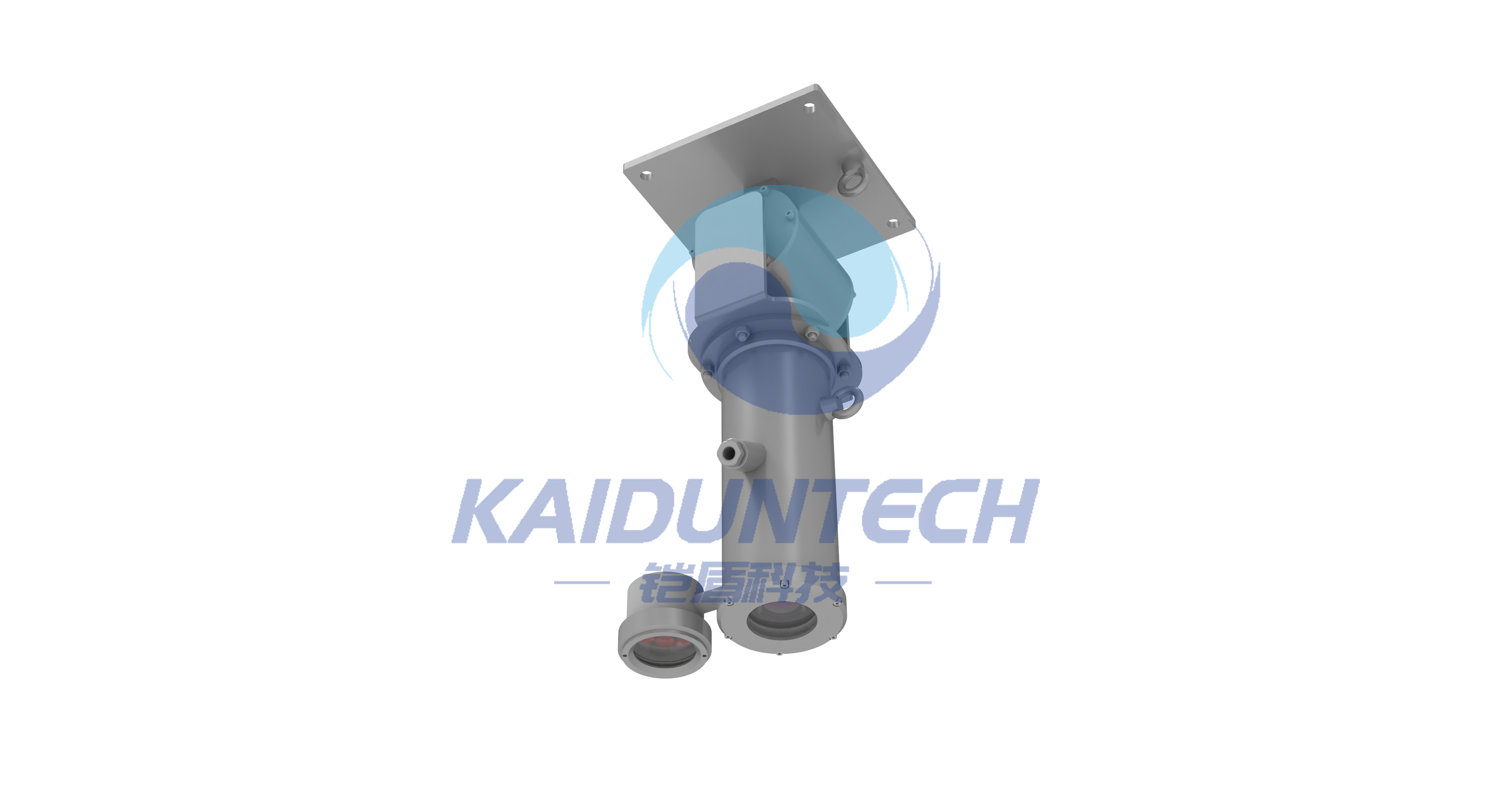
Dimensioned engineering drawing and 3D render of the industrial housing
Black flexible corrugated hose coiled with end connectors

Application Scenarios & Field Results

SiteEquipment and set-upResult
Petrochemical plant, Zone 1 gantry craneSeveral units on the boom, spring-damped, angle locked, cabled through an anti-corrosion junction box and corrugated pipe back to the plant VMSSteady, clear video under continuous lifting vibration; the Zone 1 hazardous area camera installation passed safety acceptance
Hazardous chemical terminal, land-side gantry cranesAnti-corrosion build with the zoom set to the lifting distance, working in salt mist and chemical vapourReliable operation through the corrosive season with live visual feedback to the crane operators; delivered and accepted
Chemical plant process areaOverhead cranes and travelling hoists following a fixed hook pathOperators confirm hook engagement and load position without sending a banksman into the zone
Coal-chemical heavy-duty liftingProcess-area cranes standing inside the hazardous zoneEvery lift is watched continuously, so unsafe practice is caught before it becomes an incident
Refinery tank farmMobile maintenance cranes and fixed gantry lifting gear used during tank campaignsThe lift stays under control-room observation for the whole maintenance window
Bulk-cargo and storage yardsDock-side and yard gantry cranes working in salt-mist airLong-distance observation of cargo handling where ordinary housings corrode away
Grey rectangular electrical junction box with cable glands

Key Specifications

ItemParameter
ModelMC800(CR)
Image sensor4MP Progressive‑Scan CMOS
Minimum illuminationColor:0.0001 Lux (F1.6,AGC ON); B/W:0.00005 Lux (F1.6,AGC ON)
Optical zoom30× optical zoom
Focus modeAuto‑focus / Primary Focus / Manual Focus / Semi‑Auto Focus
Image functionBLC, multi‑mode exposure control, ROI region‑of‑interest encoding
Video frame rate50Hz:25fps; 60Hz:30fps (max resolution 2688×1520)
NetworkSupport IPv4, IPv6 protocol
Mechanical featureBuilt‑in spring shock‑absorbing damping bracket; manually adjustable & lockable shooting angle
Installation scenarioDirect mounting on crane boom / lifting frame
CableIntegrated cable
Optional accessoriesKDCP‑1500 Corrugated Pipe, KDJ004 Anti‑Corrosion Junction Box
Dimension240*194*561mm

Ordering, Lead Time & Warranty

  1. Standard model: 3–4 weeks production lead time from receipt of deposit.
  2. Custom-modified version: 5–6 weeks for special requirements such as custom damping parameters, interface modification or a special anti-corrosion surface treatment.
  3. Deliverables with the unit: product datasheet, mechanical dimension drawings, explosion-proof certificate copies and operation manuals, ready for crane project safety review submission.
  4. Warranty terms: 12-month standard warranty on the complete unit, with extended warranty available against a separate commercial quotation.
  5. Fault handling: faulty devices support factory-return repair or replacement, and remote technical commissioning guidance is provided, along with complete technical-document support for overseas crane projects.
  6. Packaging and logistics: export-grade wooden-crate packaging, with EXW, FOB and other trade terms supported; optional accessories can be consolidated into the same shipment.
  7. Planning note: this crane mounted explosion proof camera is a custom-oriented build and off-the-shelf stock cannot be guaranteed, so place the order well ahead of your crane delivery milestones and confirm the current schedule with your sales contact.

Technical Support & Model Matching

Tell us your site conditions, hazardous-zone classification and the distances you need to cover, and our engineering team will check whether the 30x optical zoom camera covers your full working distance and help you match the right model and configuration before you place an order. Our R&D team, in-house assembly workshop and finished-product testing area take every unit through a 72-hour test before delivery, while our network of 50 overseas strategic partners can advise on local installation and commissioning. Troubleshooting is handled around the clock, 365 days a year.

FAQ

What kind of equipment is this camera designed for, and can it work in gas hazardous zones?

It is purpose-built for crane booms and lifting frames — direct mounting on the steel, a fixed-direction view and a damped bracket. It is intended for hazardous-area lifting machinery and is supplied as an ATEX certified camera, but the certificate scope has to line up with your zone, gas group and temperature class. Send us the classification for the area before the order is placed and we will match the certificate copy to it.

How does the damping bracket work, and can vibration be eliminated completely?

The spring shock-absorbing bracket sits between the boom and the camera body and absorbs most of the mechanical shock and continuous movement the crane generates, which is what keeps the picture steady and spares the optics. It cannot cancel everything: a violent impact or a badly worn boom will still reach the camera, so we describe it as reducing vibration rather than removing it.

Can I adjust and lock the viewing angle after installation?

Yes. The head is adjusted by hand on site and then locked mechanically, so the view stays where it was set through lifting, slewing and parking. If the hook path changes later, release the lock, re-aim and lock again — the housing does not have to come off the bracket.

What are the wiring options for a crane-boom installation?

The camera leaves the factory with an integrated cable, which removes the field termination at the camera end. For a boom installation we normally recommend the KDCP-1500 corrugated pipe over the exposed run and the KDJ004 anti-corrosion junction box at the transition point; on a vibrating, corrosive structure the cable route is often the weakest part of an ATEx certified camera installation, and those two accessories are how it is protected.

Can it connect with third-party NVR and VMS platforms for industrial crane projects?

It supports mainstream standard network protocols and multi-stream output, so it will usually join most industrial video platforms for preview, recording and event linkage, and it is built to sit inside wider explosion proof cctv camera system solutions rather than a closed ecosystem. For a custom or unusual platform, send us the protocol details and we will confirm compatibility before you commit to the order.

What after-sales support is available for a crane-mounted camera that faults overseas?

Every unit ships with datasheets, mechanical drawings and manuals that go straight into the project safety file. Faulty units can be returned to the factory for repair or replacement, and our engineers give remote technical guidance through commissioning and fault-finding for overseas crane projects. Warranty period and any extended cover are confirmed on the order.

Is OEM / ODM customisation supported?

Yes. Custom-order work covers damping-parameter tuning, anti-corrosion surface treatment and special interfaces. As explosion proof camera manufacturers we review the specification with you first — send the site conditions, the mounting arrangement and the zone classification, and we will come back with the configuration and the schedule.

How do I choose between this fixed-direction model and a pan-tilt crane camera?

Take this model when the hook runs along a predictable path and vibration is the main enemy: one damped, locked-off view covers the lift with no motors, slip rings or moving head to maintain. Take a pan-tilt crane unit when the operator genuinely needs 360° coverage of the deck or yard. Both sit in our explosion proof cctv camera system solutions, and we will tell you plainly if a fixed view is the wrong fit for your site.

Download